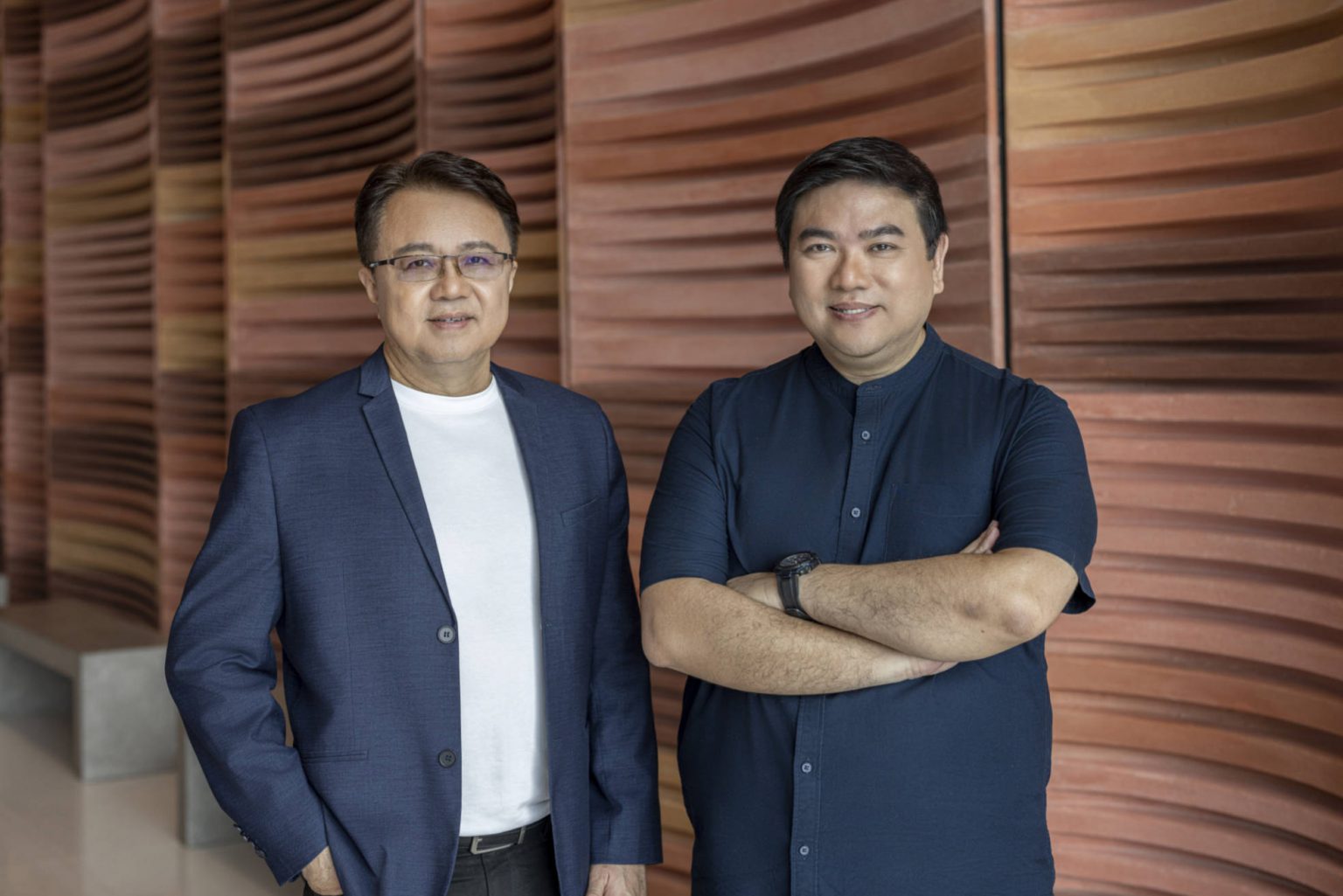
Ar. Colin Wu:
After a thorough search for a suitable site, we concluded that the open-air carpark site at Havelock will be an ideal location for the new State Courts building.
The site is tight, which gave us an opportunity to innovate and led to the conceptualisation of the first high-rise courthouse in Singapore. This bold concept moved away from the traditional low-rise courthouse typology and allowed more space for expansion. Also, having the new State Courts building at this site, with the Octagon to be occupied by the new Family Justice Courts, will together form a Judiciary Hub and operate as an integrated entity, optimising operations and resources.
We did have to convince the client and stakeholders that it is possible to develop a high-rise courthouse on the tight site. We conducted various design studies and test fits at the feasibility stage, and applied our expertise in court planning and design, to determine movement and circulation routes of the various user groups. As with all other court building projects completed by CPG Consultants in Singapore, we ensured there are no compromises to the function and operations of the court building.
After exploring new design ideas, we developed the design criteria and brief for the new State Courts building at the intended site, forming the basis of the eventual design.
Ar. Tan Hooi Ong:
Firstly, the design needs to be sensitive to the site and relate well to its context. It is important that the Towers respond well to it surrounding by becoming an appropriate ‘backdrop’ to the environment, especially being close to two low rise conserved buildings, the Octagon, and the former Ministry of Labour building, a national monument. The design of the towers needed to be sympathetic and not compete with existing buildings, such as the Octagon with its strong geometric form. In the end, the 3 buildings must stand in harmony and befit its identity as a Judiciary Hub here at Havelock Square. Today, the State Court Towers, stands stately in its appearance, and conveys a sense of formality and dignity, befitting a judiciary building in Singapore.
Ar. Colin Wu:
Secondly, we also had to ensure that the new high-rise courthouse needed to be carefully planned, to assure that the movement and circulation of the 3 main groups, i.e., judges, persons-in-custody, and public, with each group having clearly segregated circulation routes, and are not compromised. This is an important design criterion in the planning of a courthouse.
Ar. Colin Wu:
CPG has rich experience dealing with huge complex areas. In designing a building like the States Courts Towers, we are dealing with a massive layout and circulation. It is vital that a user does not feel lost or confused in the building, especially first-time users. The State Courts Towers eliminates many of these corridors by expressing each courtroom as a stand-alone volume. The journey from the outdoors to the indoors has been choreographed through design and users are guided by layouts which provide intuitive wayfinding.
Ar. Tan Hooi Ong:
We also relate to the building occupants going through tense and emotional judiciary processes by providing spaces that can offer respite, such as the garden terraces. From ground to top, from inside to outside, we consider the user experience in its entirety, including how one may feel throughout a judicial process and their needs.
Ar. Tan Hooi Ong:
The breakthrough in high-rise courthouse typology in Singapore began with this State Courts Towers. It’s significant because we took a step that was different from the previous Singapore courthouses that we have done and made something new. As of now, the State Courts Towers is the tallest public building in Singapore and one of the 3 tallest courthouses in the world. It has also become a design precedent for future public buildings.
Ar. Colin Wu:
We design and plan with the people at heart, so a civic building should serve the community. The design approach should be true to its function and needs and responds to the context and site. Not only should a building integrate with its surroundings, but it should also enhance the urban environment and communities around it. Some examples are the National Museum and the National Gallery Singapore, both of which involved the CPG design team behind the State Courts Towers. A desired outcome would be how people can respond and identify well with these civic buildings. We believe the State Courts Towers has, in many ways, achieved its desired outcome.